The worksheet packet
- Daily parent time
- Printing, nagging, marking
- Adapts to the child
- No
- Child sees ads or prices
- No
- Cost
- Paper and patience
Winter break math practice without a worksheet packet: seven myths you can tap open, a plan built for your child’s grade and your actual days off, and the research behind the shape of it. Brainy Bucks is our app; it is one way to run the plan, not the only one.
What each costs the parent, not just the wallet. Swipe sideways. Ours is last.
The well-studied loss is over summer, and even there it is “common, but not inevitable” (Kuhfeld, 2019, from 3.4 million test records). Two weeks in December has far less evidence behind it. Keep a light routine; do not panic.
Kuhfeld, Kappan, 2019The two techniques rated highest for durable learning in the 2013 Dunlosky review were practice testing and distributed practice: short, spread-out retrieval. A packet done in one sitting is the opposite shape.
Dunlosky et al., 2013Rereading, highlighting and summarising were rated low utility in the same review. Answering questions and getting a second try does more than reading the page again.
Dunlosky et al., 2013What helps is the second attempt with a clue, and the question coming back days later. Brainy Bucks is built that way per its listing: no lives lost, no red X, a clue and a second try, missed questions return in later quests.
App Store listing, 4 Nov 2026Distributed practice, the high-utility technique, means spreading the same time out. Ten minutes on 16 days is 160 minutes and far better spaced than two 80-minute Sundays.
Dunlosky et al., 2013No. Brainy Bucks’s own listing says its skill statuses are based only on answers given in the app and are not a formal assessment. Treat any app report as a conversation starter, not a grade.
App Store listing, 4 Nov 2026Many are ad-funded or sell to children inside the game. Brainy Bucks is free for one adaptive quest a day plus three extras, with no ads and no accounts; Plus is an optional subscription for parents behind a PIN, and Child Mode shows no prices. Read any app’s free tier before the break starts.
App Store listing, 4 Nov 2026Pick the grade and the number of days off. The plan alternates new practice, review and a screen-free day, and names the kind of skill for that grade using the subjects Brainy Bucks lists. Nothing is sent anywhere.
Days marked “screen-free” are the kind of parent-and-child activity the app also lists (materials, steps, easier and harder versions); a deck of cards or a tape measure works too.
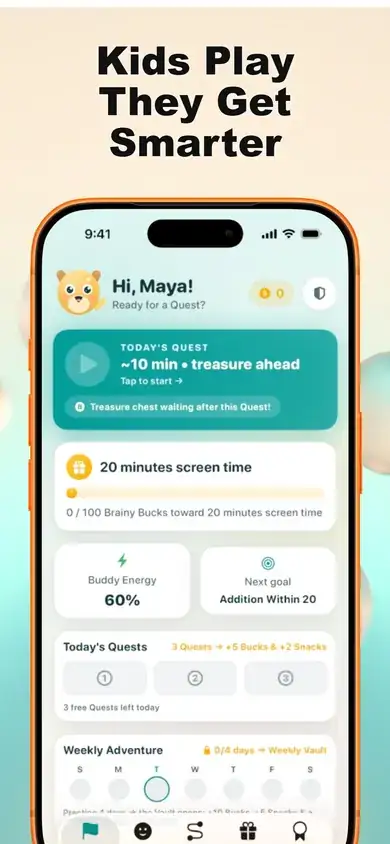
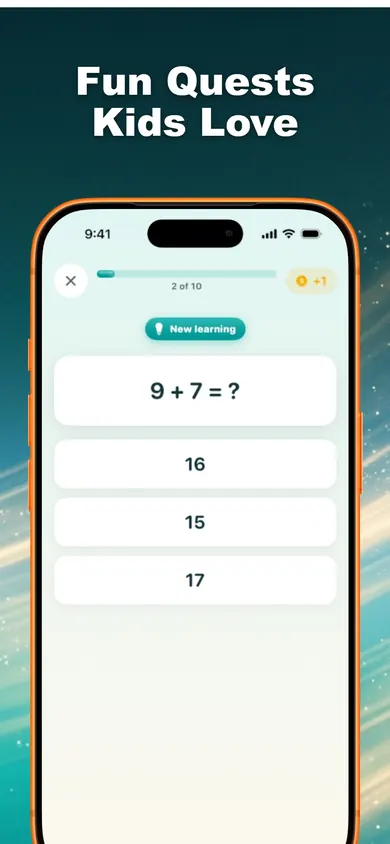
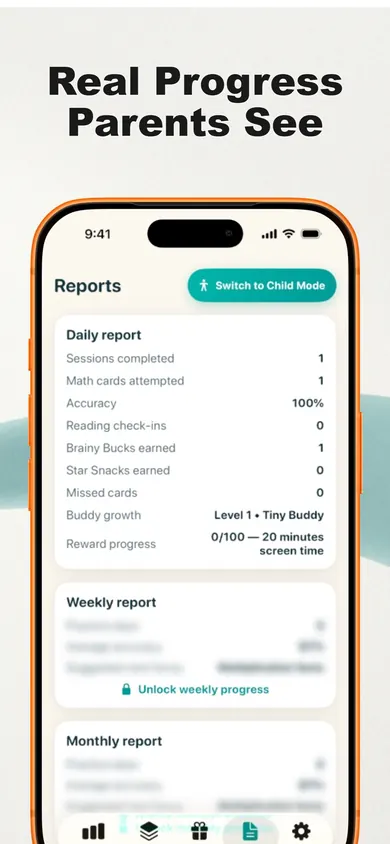
Monthly or yearly, or a one-time Lifetime, per the listing. Free is one adaptive quest plus three extras a day; the weekly and monthly reports are Plus.
Skill statuses come only from answers given in the app. The listing says so itself. Do not bring it to a parent-teacher meeting as evidence.
Pre-K to Grade 8 is covered, but the listing is clear about where the depth is.
The listing credits an Ontario Certified Teacher and states the app is independent and not endorsed by the Ontario College of Teachers or any school board.
There is no official number. The research on learning techniques favours short, spaced sessions over long ones, so ten minutes most days is a reasonable target for Kindergarten to Grade 4; older children can do fifteen. The planner above builds that shape for your dates.
Whatever was shaky in December. In Brainy Bucks the daily quest mixes new skills, review and earlier mistakes, and the parent dashboard labels skills Introduced, Practicing, Consistent, Retained or Needs review, from the app’s own answers only.
Per the listing: one adaptive Today’s Quest every day with no time limit, three extra quests a day, hints, second tries, spaced review, the weekly summary and learning plan, a Brain Buddy, one real-life reward and a starter activity set. Plus adds unlimited quests, the full library, reports and up to four child profiles, as a monthly or yearly subscription or a one-time Lifetime.
The listing says no accounts, no ads, no chat, no third-party analytics, learning data stays on the device, and Child Mode shows no prices or purchase buttons; purchases and settings sit behind a parent PIN. Rated 4+. We would still sit beside a six-year-old for the first quest.
Yes: phonics, rhyming, sight words, spelling patterns, vocabulary, main idea, sequencing, inference, context clues and short original passages, with on-device read-aloud. Content spans Pre-K to Grade 8 with the deepest coverage from Kindergarten to Grade 4.
The listing points to a five-question sample quest in the browser at brainy-bucks.rork.app/free-quest.
Brainy Bucks: Math & Reading. One adaptive quest a day, free, no ads, no accounts, offline. Mistakes get a clue and a second try, then come back later. Parents get a one-sentence weekly summary.
This page is general information for parents, not educational assessment or advice about an individual child.